

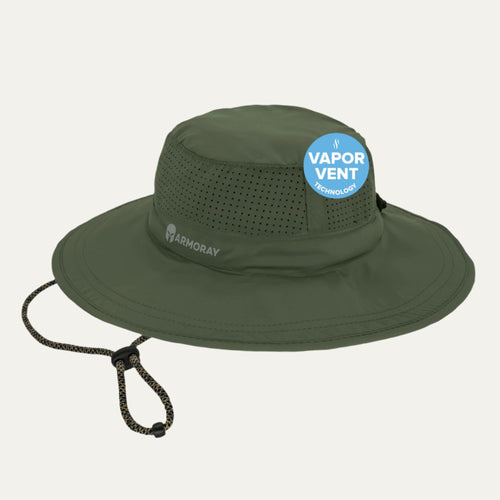


Lightweight performance apparel should solve a specific problem: help you move comfortably without adding unnecessary bulk. For hot, sunny days, the most useful pieces balance breathability, freedom of movement, sweat management, and—when relevant—verified ultraviolet protection.
This guide compares seven practical categories for runners, cyclists, golfers, gardeners, outdoor workers, travelers, and anyone who spends long hours outside. It is intentionally category-first: no single fabric or product is best for every person, climate, or activity.

What counts as lightweight performance apparel?
Look beyond a low number on the scale. A useful warm-weather garment should fit the activity, allow air or moisture to move, avoid distracting seams, and dry reasonably fast. For sun-focused pieces, check for a stated UPF rating rather than assuming every thin garment offers the same protection.
The CDC notes that tightly woven fabrics generally protect better than loosely woven ones, and that wet fabric can protect less than dry fabric. It also recommends combining protective clothing with shade and sunscreen on exposed skin. In other words, apparel is one part of a broader sun-safety plan—not a reason to skip every other measure.
Quick comparison
| Essential | Best for | Main trade-off |
|---|---|---|
| Technical tee | Running, gym, travel | Odor and fabric feel vary |
| Arm sleeves | Modular arm coverage | Fit and grip matter |
| Gaiter or bandana | Neck, sweat, dust | Can feel warm when doubled |
| Wide-brim hat | Face, ears, neck shade | Wind stability |
| Light bottoms | Walking, hiking, work | Coverage versus ventilation |
| Packable shell | Wind and brief showers | Less breathable |
| Sweat accessory | High-sweat activities | Needs washing or replacement |
1. A breathable technical shirt
A lightweight technical tee is the most versatile starting point. Prioritize a comfortable fit, flat or well-placed seams, and a fabric that does not become heavy when damp. “Moisture-wicking” can improve feel, but it is not a guarantee of better performance in every condition. Small studies have produced mixed results: one found less sweat retention and a lower late-exercise rectal temperature with a fitted synthetic shirt, while another trial in trained runners found no significant difference in performance or physiological heat strain among several garment technologies.
Best for: everyday training and travel. Check: chafe points, drying time, care instructions, and whether a UPF rating is actually stated.
2. Removable UPF arm sleeves
Arm sleeves add coverage without committing to a full long-sleeve shirt. They are especially practical when sun exposure changes through the day: put them on for a ride, shift, or round of golf, then remove them indoors.
The important variables are fit, seam comfort, grip, fabric density, and a documented UPF rating. Sleeves should stay in place without pinching. They also leave the hands and shoulders exposed, so continue using other appropriate sun-protection measures there.
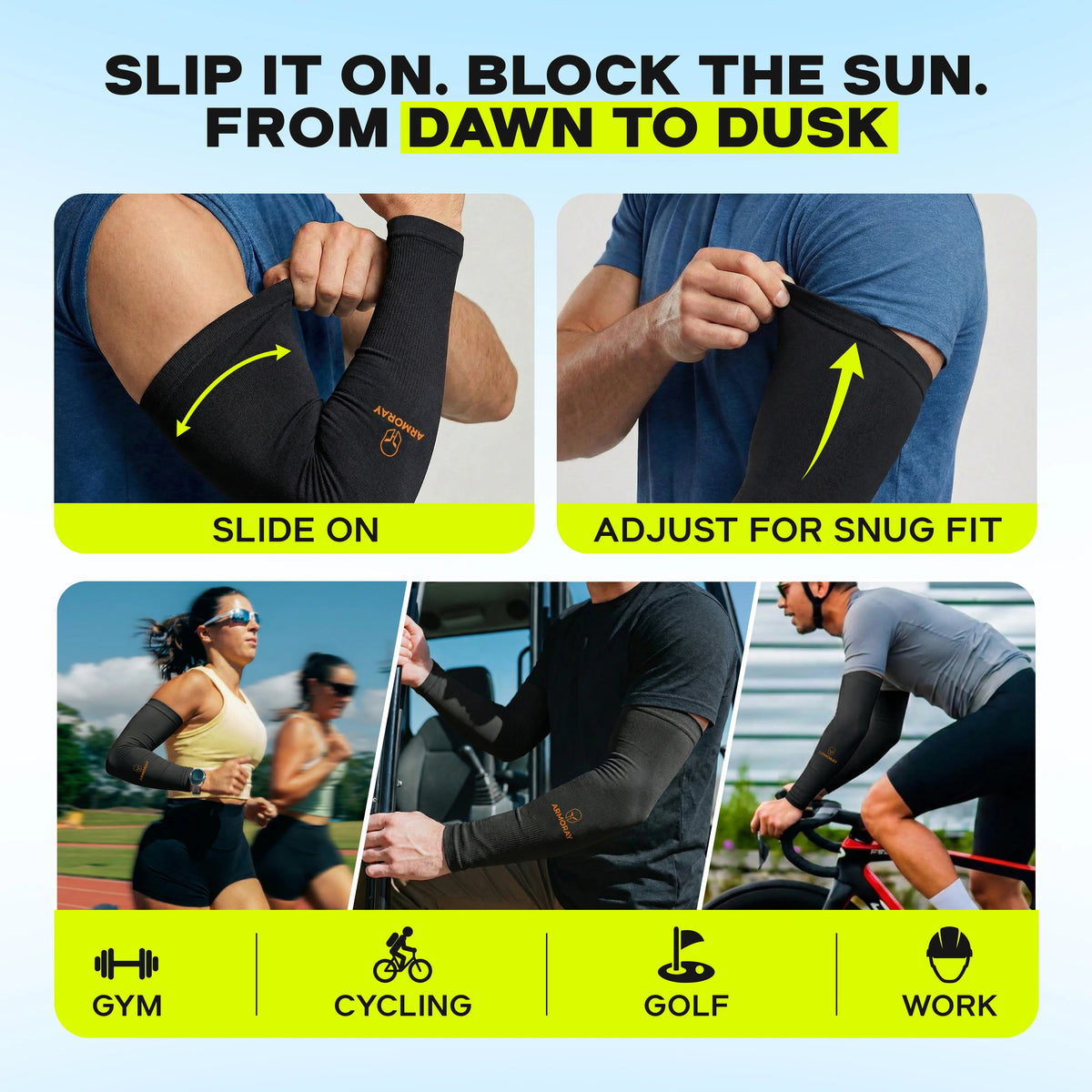
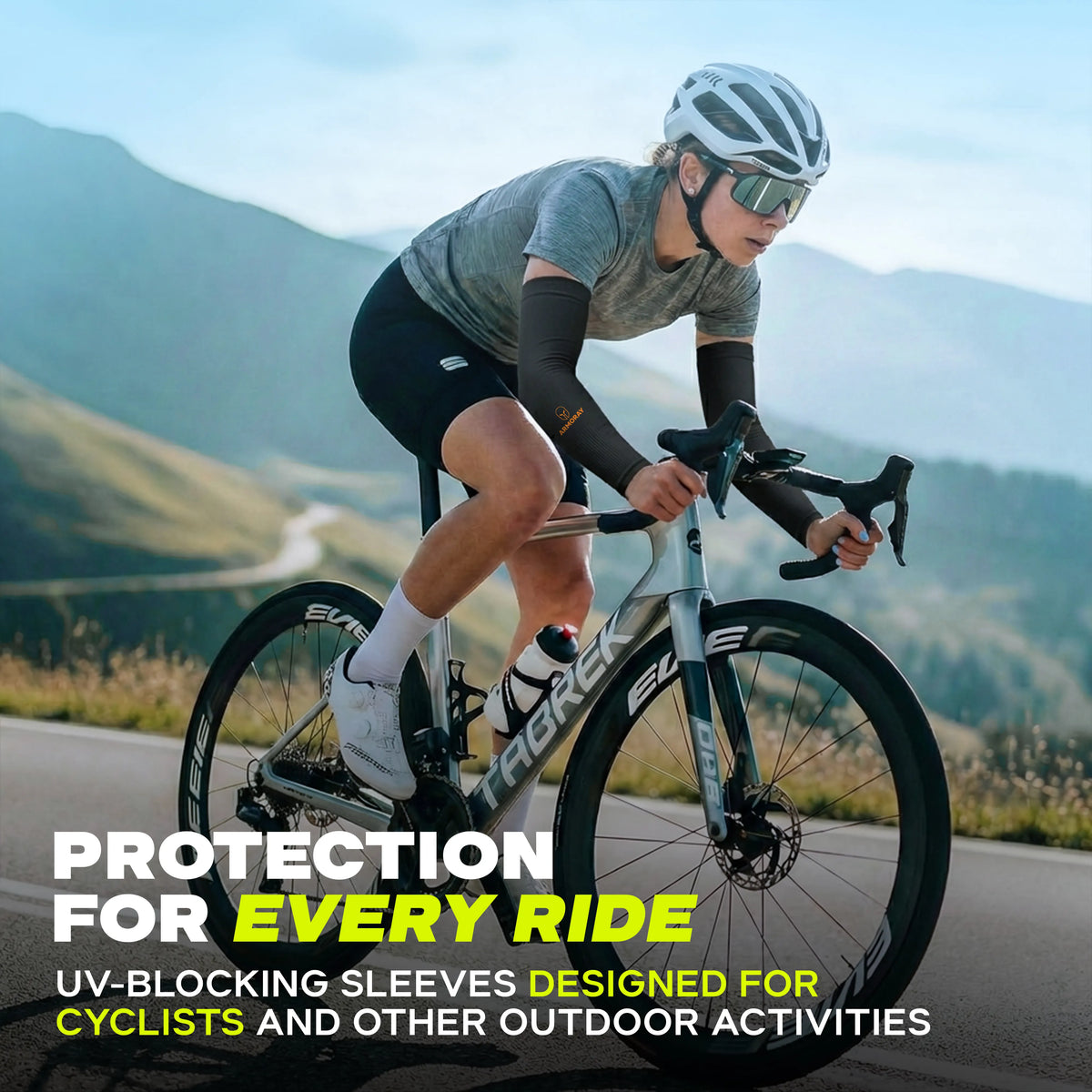
Armoray option: Classic Arm Sleeves are a modular choice designed for outdoor activities. As with any sleeve, use the size guide and evaluate comfort during movement. Shoppers who prefer a different fit, material, or grip should compare alternatives rather than choosing on UPF marketing alone.
3. A convertible neck gaiter or bandana
A thin gaiter can manage sweat and cover the neck; a bandana can serve as a headband, neck layer, or wipe. Choose a light fabric that remains comfortable when damp. Remember that folding fabric into multiple layers improves structure but can also trap more heat.

Best for: hiking, yard work, fishing, and dusty environments. Explore Armoray bandanas and gaiters, or compare any similar option for stretch, seam placement, washability, and stated protection.
4. A ventilated wide-brim hat
A brim that shades the face, ears, and back of the neck offers broader coverage than a standard cap. Vent panels, a sweatband, and an adjustable chin cord can make a lightweight hat more practical in wind. The CDC recommends tightly woven material and a brim that goes all the way around.
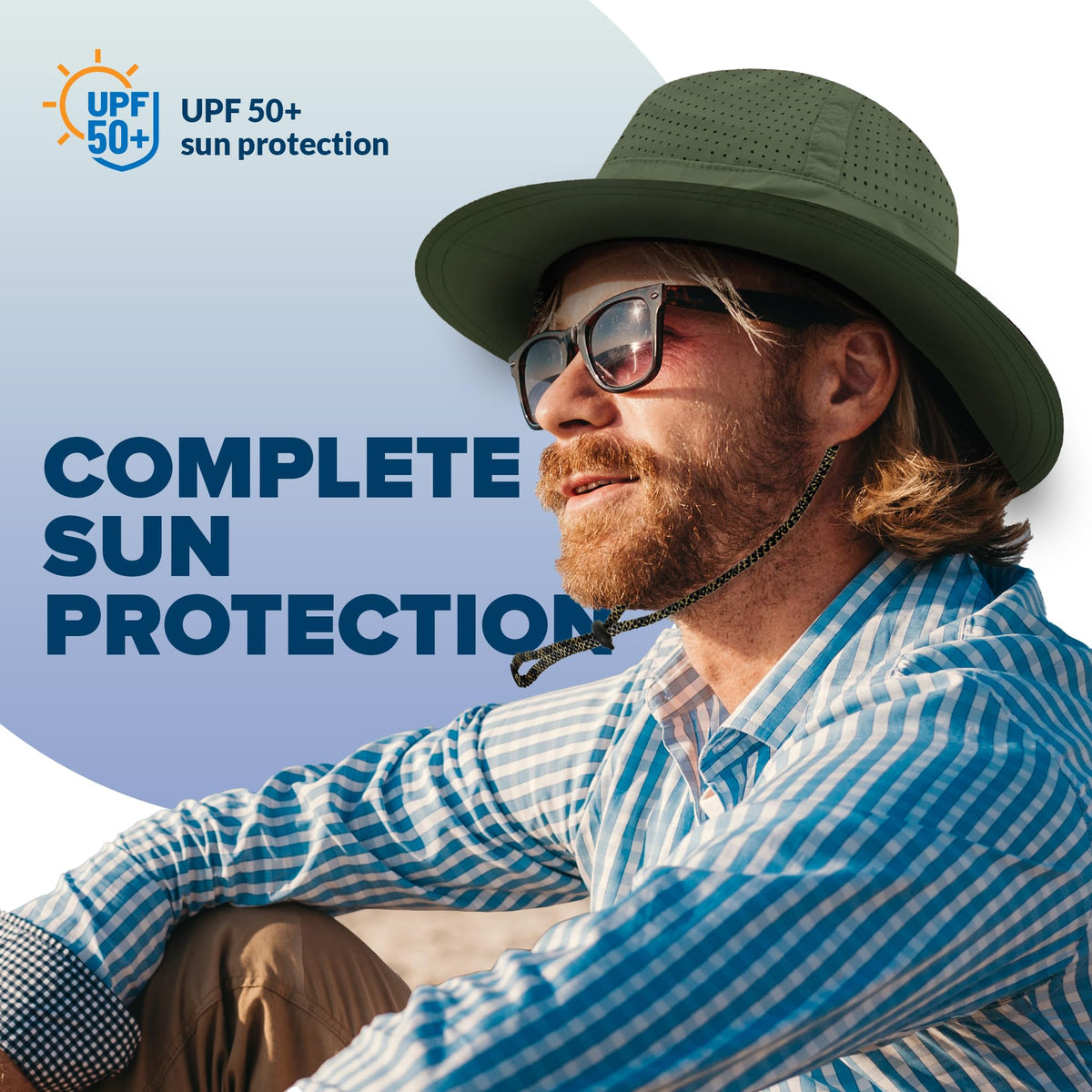
Best for: gardening, fishing, hiking, and long spectator days. Compare boonie hats by brim coverage, packability, ventilation, and fit.
5. Lightweight bottoms with the right coverage
Shorts maximize airflow; lightweight pants add coverage from sun, brush, and insects. The right answer depends on the route and conditions. Look for unrestricted knee movement, a waistband that stays comfortable under a pack or tool belt, and pockets that do not bounce.
Best for: walking, hiking, travel, and outdoor work. Trade-off: very thin fabric may be cooler but less durable or less protective.
6. A packable wind or rain shell
An ultralight shell earns its place when weather changes quickly. Wind resistance, water resistance, and breathability are different properties, so read the specification carefully. A waterproof shell may feel clammy during hard exercise; a highly breathable wind layer may not handle sustained rain.
Best for: cycling, hiking, commuting, and travel. Check: venting, hood adjustment, packed size, and whether the shell fits over your base layer.
7. A reusable sweat-management accessory
A small absorbent handkerchief, headband, or towel can be more useful than another garment layer. It helps keep sweat away from hands and eyes and is easy to swap or wash. Choose a soft edge, enough absorbency for your activity, and care instructions you will actually follow.
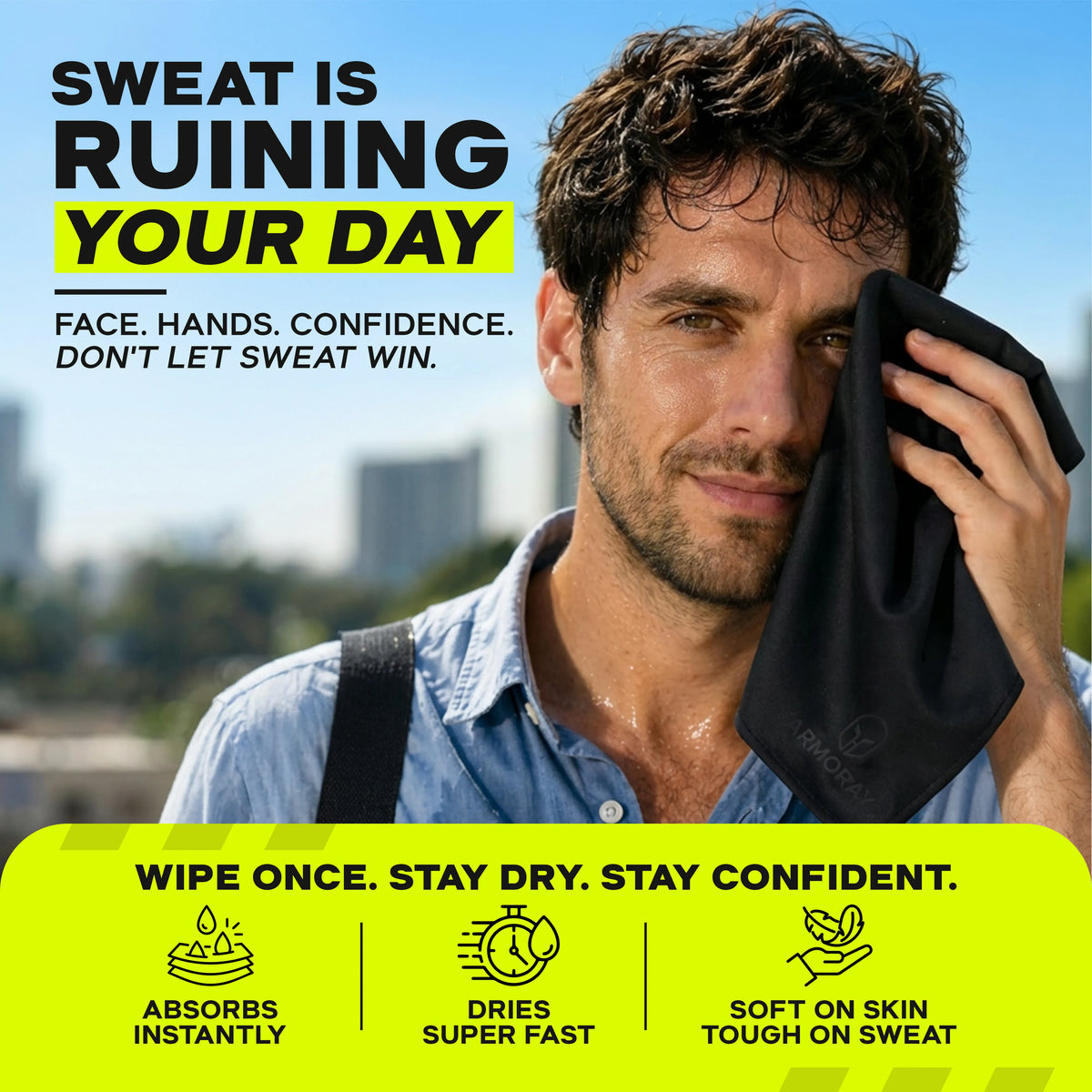
Best for: running, gym sessions, golf, outdoor work, and humid travel. Armoray offers sweat handkerchiefs; a basic washable sports towel may work just as well if it suits your routine.
How to choose without overbuying
- Start with the activity: running needs low bounce and low chafe; outdoor work may prioritize coverage and durability.
- Check independent criteria: fit, fabric weight, washability, drying time, seam placement, return policy, and verified ratings.
- Use a system: combine apparel with hydration, rest, shade, and sunscreen on uncovered skin as appropriate.
- Test one piece first: comfort is personal, and buying a full kit before testing the fabric or fit can be wasteful.
The bottom line
The best lightweight performance apparel is the gear you can wear comfortably for the entire activity. Build from a breathable base, add modular coverage where exposure is greatest, and treat “cooling” or “performance” language as a prompt to inspect the actual fabric, fit, and testing—not as proof by itself.
Sources and further reading
- CDC: Sun Safety Facts
- CDC Yellow Book: Sun Exposure in Travelers
- De Sousa et al.: Moisture-wicking fabric during exercise in heat
- Sportswear, performance, and heat strain trial
Editorial note: This guide is educational and includes both general category guidance and links to Armoray products. Product availability and specifications can change; verify the current listing before purchase.