



UPF 50: What It Means for Sun-Protective Clothing
TLDR
UPF 50 is a fabric sun-protection rating meaning the material blocks about 98% of ultraviolet radiation on covered skin, letting only 1/50th through. It measures both UVA and UVB protection for clothing, while SPF is a separate rating for sunscreen. The rating is excellent, but it only works where the fabric actually stays in place, and factors like wetness, stretching, and wear can reduce its effectiveness.
What Does UPF 50 Mean?
UPF stands for Ultraviolet Protection Factor. A UPF 50 rating means a fabric allows roughly 1/50th of UV radiation to pass through to your skin, blocking about 98% of UV rays on the area it covers. The rating accounts for both UVA and UVB radiation, which makes it a more comprehensive measure than sunscreen’s SPF rating.
The Skin Cancer Foundation classifies UPF 50 as excellent protection, and Australia’s radiation protection agency ARPANSA places both UPF 50 and UPF 50+ in its highest protection category.
This matters because UV exposure is the primary cause of most skin cancers. The American Cancer Society estimates about 112,000 new melanomas and roughly 8,510 melanoma deaths in the United States in 2026. Sun-protective clothing rated UPF 50 is one practical tool for reducing that exposure.
Looking for UPF 50+ arm coverage you can pull on and off? Explore ARMORAY arm sleeves starting at $9.99/pair.
UPF 15 vs UPF 30 vs UPF 50 vs UPF 50+
The math behind UPF ratings is straightforward. The number tells you the fraction of UV that passes through the fabric.
Rating |
UV Transmitted |
UV Blocked |
Protection Category |
|---|---|---|---|
UPF 15 |
1/15 = 6.7% |
93.3% |
Minimum |
UPF 30 |
1/30 = 3.3% |
96.7% |
Good |
UPF 50 |
1/50 = 2.0% |
98.0% |
Excellent |
UPF 50+ |
Less than 2% |
At least 98% |
Excellent (top category) |
These categories come from ARPANSA’s classification system, which is widely referenced in the sun-protection industry.
Here is a detail most articles miss: the jump from UPF 30 to UPF 50 looks small when you compare “96.7% blocked” to “98% blocked.” But flip the perspective. UPF 50 lets through 2% of UV, while UPF 30 lets through 3.3%. That means UPF 50 transmits about 40% less UV than UPF 30. For someone spending hours outdoors every day, that difference adds up.
Is UPF 50+ Much Better Than UPF 50?
Not in any way you would notice. Both fall in the “excellent protection” category. UPF 50+ simply means the fabric tested above the threshold used for the top tier. The practical difference between UPF 50 and UPF 50+ matters far less than whether the garment actually covers your skin and stays in place.
UPF vs SPF: What’s the Difference?
These two ratings measure different things:
UPF rates fabric. It tells you how much UV radiation (both UVA and UVB) passes through a textile to reach the skin underneath. You wear it and forget it. No reapplication needed.
SPF rates sunscreen. It primarily measures UVB sunburn protection, though broad-spectrum sunscreens also guard against UVA. The FDA recommends reapplying sunscreen at least every two hours and more often after sweating or swimming.
One common mistake: calling arm sleeves “SPF sleeves.” The correct term is UPF clothing or UPF arm sleeves. SPF belongs to sunscreen.
The biggest practical advantage of UPF 50 clothing over sunscreen is consistency. Sunscreen wears off, gets applied unevenly, and requires constant reapplication. Fabric just sits there doing its job. Practitioners on Reddit’s cycling communities describe this as the main reason they switched to sun sleeves: less hassle during all-day rides in 95°F heat, and no missed spots on the forearms.
The 2% Rule: Why the Number Only Tells Half the Story
UPF 50 means roughly 2% of UV reaches the skin under the fabric. That is excellent. But the “2% rule” has three important limits.
Only covered skin gets the rating. A UPF 50 sleeve does not protect your hands, wrist gap, neck, ears, or face. If you want hand coverage, look for sleeves with thumbhole extensions that close the gap between sleeve and hand.
The fabric has to stay in place. If a sleeve slides down your arm during a run, the exposed skin has a UPF of zero. Practitioners on Reddit’s ultrarunning forum report that single sleeves stopping at the biceps tend to loosen and need pulling up throughout the day, especially during outdoor work like mail delivery.
Condition matters. Wet, stretched, worn, or over-tight fabric may protect less than the label suggests. ARPANSA’s labeling guidance explicitly notes that protection may be reduced if the material is wet, stretched, worn out, or exposed to chemicals.
What Can Reduce UPF Protection?
A UPF 50 label reflects lab conditions. Real life is messier. Several factors can lower the effective protection of any sun-protective garment.
Stretching
When fabric stretches tight against skin, the fibers spread apart and allow more UV through. DermNet’s dermatologist-reviewed guide recommends looser-fitting sun-protective clothing for exactly this reason. This is why compression sleeves should fit snugly without being overly tight.
Wetness
Some fabrics become more transparent to UV when wet. A standard white cotton T-shirt, for example, provides only moderate protection dry and even less when soaked. Lab-tested UPF fabrics are generally more resilient, but wetness remains a factor worth knowing about.
Wear and Laundering
Old, faded, or worn fabric may lose some protective ability over time. Following proper care instructions helps extend the useful life of UPF clothing. For ARMORAY sleeves, hand-washing is recommended to get 4 to 6 months of regular wear.
Coverage Gaps
This is the most common real-world failure. A UPF 50 arm sleeve that stops at the wrist leaves the back of the hand exposed. A sleeve that rides up during activity creates a gap between the sleeve and a short-sleeve shirt. Coverage gaps are where sunburns happen, not through the fabric.
For neck and face coverage, a performance bandana can close gaps that arm sleeves cannot reach.
UPF 50 Arm Sleeves: A Real-World Example
Arm sleeves are one of the best illustrations of how UPF 50 works in practice, because they highlight the difference between a lab rating and daily use.
Why People Choose Sleeves Over Long-Sleeve Shirts
Sleeves are modular. You pull them on when the sun is out, strip them off when you go inside, and stuff them in a pocket or bag. Travelers on the Rick Steves forum praise sun sleeves for packing small, drying quickly, and working with any short-sleeve shirt they already own. Cyclists on Reddit describe wearing UPF sleeves through 100 km rides in 36°C heat because the alternative (reapplying sunscreen every two hours to both arms) is impractical mid-ride.
The Problems That Actually Matter
Community discussions reveal that the UPF number is rarely the complaint. Fit is. The most common issues people report:
Sleeves sliding down during movement, especially running or physical labor. This is why silicone grip options exist. ARMORAY’s SecureFit sleeves use interior silicone bands to resist slide-down, priced at $12.99/pair.
Wrist and hand gaps that leave a strip of skin exposed to burn. Thumbhole sleeves solve this by extending coverage to the back of the hand.
Heat and breathability concerns. Moisture-wicking sleeves can actually feel cooler than bare skin in dry conditions, especially when damp. Ultrarunners on Reddit mention wetting light-colored sleeves during creek crossings for a cooling effect that lasts a mile or two. But in high humidity with thick fabric, sleeves can trap heat.
Chafing at seams during repetitive motions like cycling in aero position.
The takeaway: UPF 50 is only useful if the garment stays on, covers the exposed skin, and is comfortable enough to wear all day. Check the size guide before buying to ensure the right fit.
Who Should Care About UPF 50?
Anyone spending extended time outdoors when the UV index is 3 or higher. The CDC notes that UV rays are strongest between 10 a.m. and 4 p.m., can reach you on cloudy days, and reflect off water, sand, concrete, and snow.
Specific groups that benefit most from UPF 50 clothing:
Outdoor workers. Construction, landscaping, delivery, agriculture, utility work. NIOSH recommends appropriate clothing, hats, and sunscreen for workers exposed to sun, even on overcast days.
Runners and cyclists who spend hours training in direct sun.
Golfers and tennis or pickleball players with exposed forearms during long matches.
Gardeners who need both UV and scratch protection. ARMORAY’s garden collection sleeves are designed for this use case.
Anglers, boaters, and hikers in high-altitude or waterside environments where UV intensity increases.
Drivers and commuters with chronic sun exposure on one arm through a car window.
People covering tattoos for professional or personal reasons.
Anyone with fair skin, photosensitivity, or a history of skin cancer who needs reliable daily protection.
How to Choose UPF 50 Clothing and Sleeves
The rating on the label is only the starting point. Here is what else to evaluate.
Need |
What to Look For |
Why It Matters |
|---|---|---|
Maximum UV protection |
UPF 50 or UPF 50+ |
Excellent category, about 98% UV blocked |
No slide-down |
Silicone grip, secure upper band |
Exposed skin = no protection |
Hand and wrist coverage |
Thumbholes or extended cuffs |
Prevents common wrist-gap burns |
Hot-weather comfort |
Lightweight, moisture-wicking fabric |
Comfortable gear gets worn more consistently |
Outdoor work |
Durable, washable construction |
Needs to hold up to daily use |
Sports |
Stretch without over-tightness, flat seams |
Reduces chafing and slippage during movement |
Travel or driving |
Packable, neutral colors, quick drying |
Easy daily use increases actual protection |
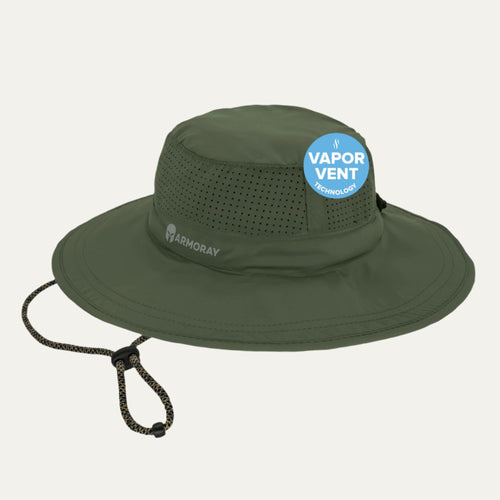
A full sun strategy goes beyond sleeves. The CDC recommends combining clothing, a wide-brimmed hat, sunglasses, shade, and broad-spectrum sunscreen for exposed skin. A UPF boonie hat covers your head, ears, and neck where sleeves cannot reach.
Do You Still Need Sunscreen?
For skin fully covered by intact UPF 50 fabric, sunscreen underneath is not the priority. The bigger concern is the skin that is not covered: face, ears, neck, hands, and any gaps where fabric has shifted. Apply broad-spectrum sunscreen to those areas and reapply every two hours, especially when sweating.
Frequently Asked Questions
What does UPF 50 mean?
UPF 50 means a fabric allows about 1/50th of ultraviolet radiation to pass through, blocking roughly 98% of both UVA and UVB rays on the skin it covers. It is a rating for clothing and textiles, not sunscreen.
Is UPF 50 good sun protection?
Yes. UPF 50 falls in the “excellent protection” category under major classification systems. For most outdoor activities, it provides very strong UV defense on covered skin.
Does UPF 50 protect against both UVA and UVB?
It does. Unlike SPF (which primarily measures UVB protection), UPF ratings account for both UVA and UVB radiation passing through fabric.
Do I need sunscreen under UPF 50 clothing?
Generally not on the skin the fabric fully covers. Sunscreen is important for exposed areas like your face, ears, neck, hands, and any gaps in coverage.
Can UPF 50 clothing lose its protection over time?
It can. Fabric that is heavily worn, repeatedly stretched, or improperly washed may offer less protection than when new. Hand-washing and following care guidelines helps maintain performance.
Does UPF 50 still work when wet?
Some fabrics lose protective ability when wet or more translucent. Lab-tested UPF garments are generally more consistent, but wetness is still a factor that can reduce effective protection.
Are cheap UPF 50 arm sleeves as good as expensive ones?
Cyclists on Reddit report that affordable multipacks perform well enough for UV blocking. The main differences between budget and premium sleeves tend to be durability, fit, grip features, and breathability rather than the UPF rating itself.
What areas do UPF 50 arm sleeves not protect?
Arm sleeves typically do not cover your hands (unless they have thumbholes), face, neck, ears, or upper shoulders. Any gap where the sleeve shifts also loses coverage.
Browse the full ARMORAY arm sleeve collection to find the right UPF 50+ option for your activity.